
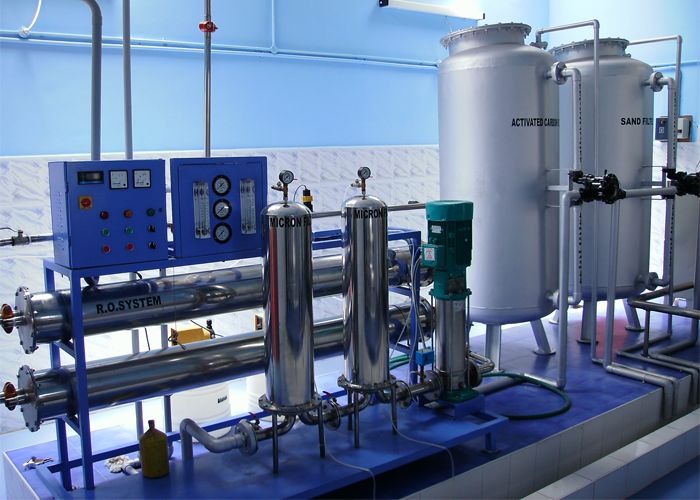
Effluent Treatment Plant
An effluent treatment plant (ETP) cleans wastewater through a sequence of physical, chemical, and biological steps to remove solids, oils, nutrients, and dissolved contaminants so the treated water is safe to discharge or reuse. Below is an end-to-end walkthrough of the process, what each stage removes, and how plants are operated and monitored.
What ETPs Treat
-
Suspended solids such as grit, silt, and fibers.
-
Floatables and oils including free oil and emulsified oil.
-
Dissolved organics measured as BOD and COD.
-
Nutrients including nitrogen and phosphorus.
-
Toxic or recalcitrant compounds like dyes, phenols, heavy metals, and surfactants.
-
Microorganisms (pathogens).
Process Flow Overview
-
Inlet works: screening, grit removal, oil-water separation.
-
Flow equalization and pH/alkalinity control.
-
Chemical pretreatment: coagulation, flocculation, dissolved air flotation or primary clarification.
-
Biological treatment: activated sludge/MBBR/SBR/MBR for BOD/COD and nutrient removal.
-
Tertiary polishing: filtration, activated carbon, advanced oxidation, nutrient polishing.
-
Disinfection: chlorination, sodium hypochlorite, or UV.
-
Sludge line: thickening, stabilization, dewatering, disposal or reuse.
Preliminary and Pretreatment
-
Screening: removes rags, plastics, and large debris to protect downstream equipment.
-
Grit removal: removes sand and heavy inorganics that cause abrasion and sedimentation.
-
Oil-water separation: plate separators or API separators remove free oil and grease.
-
Equalization: balances fluctuating flows and loads; provides buffering against shock loads.
-
pH and alkalinity control: acid/alkali dosing to bring pH typically to 6.5–8.5 for optimal treatment.
-
Coagulation–flocculation: metal salts or polymers agglomerate colloids and emulsions.
-
Primary clarification or DAF: separates formed flocs; DAF is preferred for oily or emulsified streams.
Primary Treatment
-
Settling of heavier solids to produce primary sludge.
-
Skimming of floatables and residual oils.
-
Reduces suspended solids and some BOD, improving downstream biological performance.
Secondary (Biological) Treatment Options
-
Conventional activated sludge: aeration tanks with return activated sludge; targets high BOD/COD removal.
-
MBBR: biofilm carriers increase biomass and resilience in variable industrial effluents.
-
SBR: fill–react–settle cycles in a single basin; compact for small plants.
-
MBR: membranes replace clarifiers for very low turbidity and bacteria; compact footprint and high-quality effluent.
-
Key controls: dissolved oxygen, sludge age, F/M ratio, nutrient balance BOD:N:P≈100:5:1BOD:N:P≈100:5:1.
Typical removals in well-run systems:
-
BOD: 85–98%
-
COD: 60–90% (higher with pre-oxidation or MBR)
-
TSS: >95%
Nutrient Removal
-
Nitrogen: nitrification–denitrification via aerobic and anoxic zones; supplemental carbon may be needed.
-
Phosphorus: chemical precipitation with alum/Fe salts or enhanced biological phosphorus removal.
-
Targets depend on discharge limits; TN and TP polishing may be added when receiving waters are sensitive.
Tertiary and Advanced Treatment
-
Filtration: sand, dual-media, or membrane filtration for fine solids.
-
Activated carbon: removes color, odors, and residual organics.
-
Advanced oxidation: ozone, UV/H2O2, or Fenton to degrade refractory compounds.
-
Desalination/reuse: softening or RO where low TDS is required; manage RO reject responsibly.
-
Disinfection: chlorine, hypochlorite, or UV to meet microbial standards.
Sludge Treatment and Disposal
-
Thickening: gravity or DAF thickening to reduce volume.
-
Stabilization: aerobic or anaerobic digestion to reduce odors and pathogens.
-
Dewatering: centrifuge, belt press, plate-and-frame press to produce cake.
-
End use: composting or land application (if compliant), co-processing, incineration, or secure landfill.
-
Centrate/filtrate returns to the headworks and must be accounted for in loading.
Monitoring and Control
-
Online instruments: pH, DO, ORP, turbidity/solids, flow, temperature, and sometimes ammonia or nitrate.
-
Lab testing: BOD, COD, TSS, oils and grease, nutrients, metals, and microbiology.
-
Automation: PLC/SCADA adjusts aeration, recycle rates, chemical dosing based on influent variation.
-
Compliance: routine sampling and reporting to demonstrate permit adherence.
Typical Performance Targets
-
TSS < 30 mg/L
-
BOD < 20 mg/L
-
COD < 100 mg/L
-
Oils and grease < 10 mg/L
-
Ammonia-N < 5 mg/L (where required)
-
TN 10–20 mg/L and TP 1–2 mg/L for sensitive waters
Actual limits depend on local regulations and receiving water sensitivity.
Common Small-Plant Trains (up to ~100 KLD)
Domestic/sewage (STP-like):
-
Screen and grit removal
-
Equalization with fine screens
-
MBBR or SBR biological process
-
Secondary clarification (if MBBR) or integrated settling (SBR)
-
Pressure sand filter + activated carbon filter
-
UV or chlorination for disinfection
-
Sludge thickening and dewatering
Industrial with oils/emulsions:
-
Coarse screen, grit, oil-water separator
-
Equalization with pH control
-
Coagulation–flocculation + DAF
-
MBBR or MBR for secondary treatment
-
Tertiary filtration and activated carbon
-
AOP if refractory COD/color persists
-
Disinfection and reuse/discharge
-
Sludge handling as above
Color/recalcitrant organics (e.g., dyes, pharma):
-
Equalization and pH control
-
Advanced oxidation pre- or post-biological
-
High-rate MBR for deep polishing
-
Activated carbon and potential RO for reuse
-
Robust sludge management and concentrate handling
STP vs ETP (at a glance)
| Aspect | STP (Sewage) | ETP (Industrial Effluent) |
|---|---|---|
| Typical influent | Biodegradable organics, nutrients | Variable; oils, metals, surfactants, color, toxics |
| Key pretreatment | Screening, grit | Screening, grit, oil separation, pH, coag/floc, DAF |
| Biological process | Activated sludge, MBBR, SBR | Activated sludge, MBBR, SBR, MBR with higher resilience |
| Polishing | Filtration, disinfection | Filtration, carbon, AOP, nutrient removal, disinfection |
| Challenges | Flow variation, nutrient control | Toxic shocks, emulsions, recalcitrant COD, metals |
| Reuse needs | Low TDS applications | Often RO/softening based on product needs |
Practical Operating Tips
-
Maintain equalization to dampen shock loads and keep pH within treatment windows.
-
Control biomass health: track DO, sludge age, SVI, and F/M; avoid over- or under-aeration.
-
Dose chemicals based on jar tests; adjust coagulant/polymer to influent changes.
-
Ensure nutrient balance for biological treatment; supplement N/P when treating weak streams.
-
Keep a preventive maintenance and calibration schedule for instruments and blowers.
-
Plan for safe chemical storage and sludge disposal; verify regulatory compliance before land application.
Example: 100 KLD ETP Equipment List (typical)
-
Bar screen and vortex grit chamber
-
Equalization tank with mixers and pH control
-
Coagulation–flocculation tank with dosing skids
-
DAF unit or primary clarifier
-
MBBR or SBR basin with blowers and diffusers
-
Secondary clarifier (if MBBR) or integral settling (SBR)
-
Pressure sand filter and activated carbon filter
-
UV or chlorination system
-
Sludge thickener and centrifuge/belt press
-
PLC/SCADA with online pH, DO, flow, and turbidity meters
If you share your influent characteristics (flow, pH, BOD, COD, TSS, oils, color, nutrients, metals) and reuse/discharge targets, I can propose an optimized process train and sizing assumptions for your capacity

All Categories
Recent Posts
Hello world!
Effluent Treatment Plant
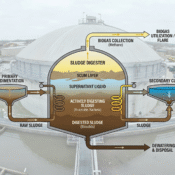
Sludge Digester in Wastewater Treatment